What Hindu Scriptures Say About Missing a Sawan Fast

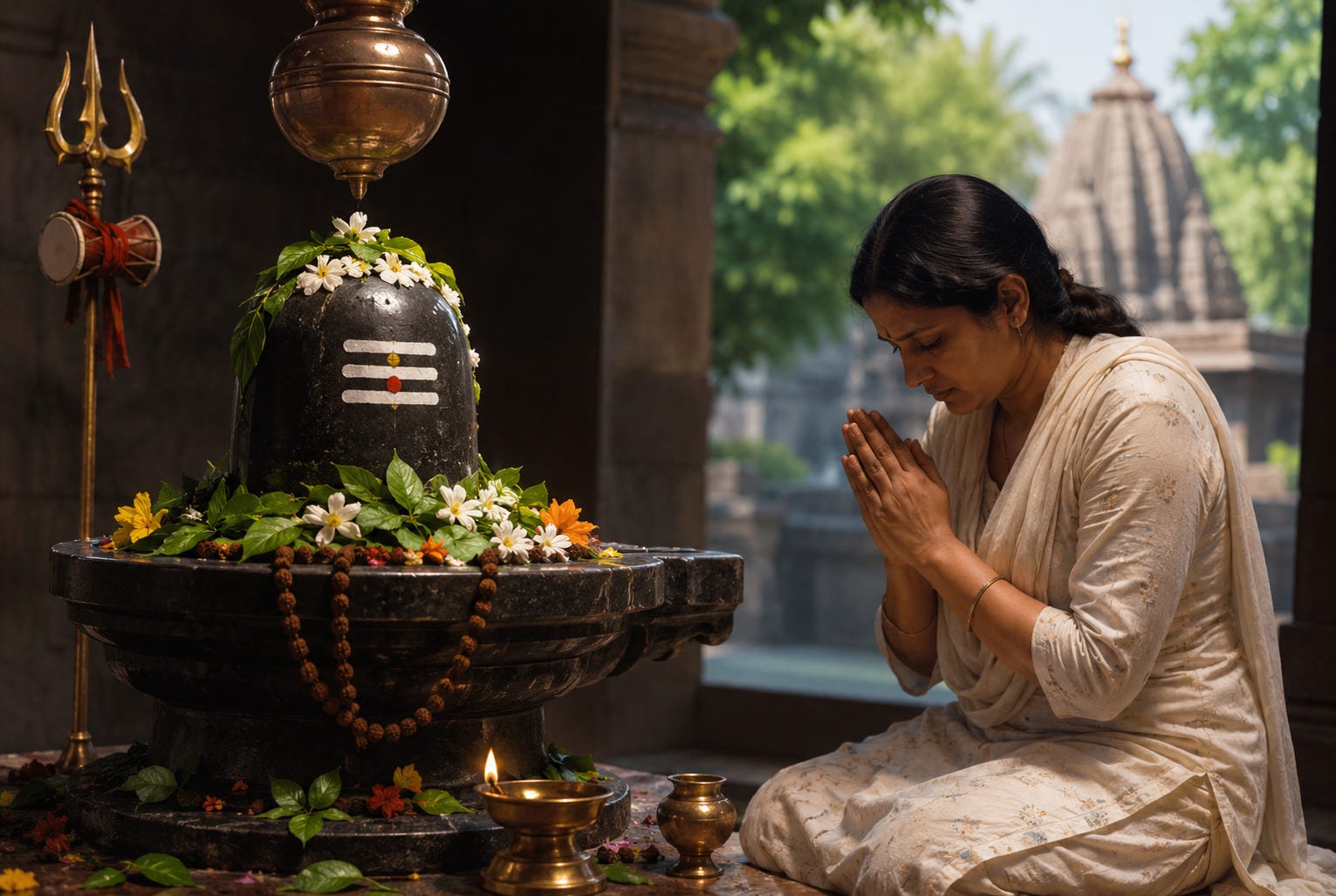
The month of Sawan, also known as Shravan, is one of the most sacred periods in the Hindu calendar. Dedicated to Lord Shiva, this holy month is observed by millions of devotees through prayers, temple visits, and fasting. Many people especially observe the Sawan Somwar fast, which falls on Mondays during Sawan.
However, due to work commitments, travel, health concerns, family responsibilities, or simple forgetfulness, some devotees may miss a Sawan fast. This often leads to questions such as: Is it wrong to miss a Sawan fast? Will Lord Shiva be displeased? What do Hindu scriptures say about it?
Let us understand the traditional perspective in a simple and practical way.
Why Is Fasting During Sawan Important?
According to Hindu traditions, Sawan is considered highly auspicious for the worship of Lord Shiva. Devotees observe fasts to express devotion, practice self-discipline, and focus on spiritual growth.
The Sawan Somwar vrat is particularly popular because Mondays are associated with Lord Shiva. Many people believe that observing these fasts with sincerity brings blessings, peace, and spiritual progress.
However, it is important to remember that the purpose of a fast is not merely avoiding food. The deeper goal is devotion, prayer, and connecting with the divine.
Do Hindu Scriptures Punish People for Missing a Fast?
One common misconception is that missing a fast automatically leads to negative consequences. In reality, Hindu scriptures place great importance on intention and devotion.
Ancient texts often emphasize bhakti (devotion) over strict rituals. While fasting is considered beneficial, it is not meant to create fear or guilt.
If a person sincerely wishes to observe a fast but is unable to do so due to genuine circumstances, Hindu traditions generally encourage continued devotion rather than self-criticism.
The spiritual value of worship comes from faith and sincerity, not from perfection.
Common Reasons for Missing a Sawan Fast
There are several situations where a person may not be able to observe a fast:
Health conditions
Pregnancy
Medical treatment
Travel obligations
Work commitments
Family emergencies
Accidental forgetfulness
Traditional teachings recognize that life circumstances can sometimes make fasting difficult. In such cases, devotees are encouraged to continue their prayers and worship according to their ability.
What Can You Do If You Miss a Sawan Somwar Fast?
If you miss a Sawan Monday fast, there is no need to panic. Many spiritual teachers suggest focusing on devotion and making the most of the remaining days of Sawan.
Some common practices include:
Offer Prayers to Lord Shiva
You can visit a Shiva temple or pray at home. Offering water, milk, or Bilva leaves to a Shiva Lingam is considered a meaningful act of worship.
Chant Shiva Mantras
Reciting mantras such as “Om Namah Shivaya” is a simple way to strengthen your connection with Lord Shiva.
Read Sacred Texts
Reading stories related to Lord Shiva, the Sawan month, or devotional scriptures can be spiritually rewarding.
Observe the Next Fast
If possible, you may continue with the next Sawan Somwar vrat instead of worrying about the one you missed.
Is It Necessary to Make Up a Missed Fast?
There is no universal rule that applies to every devotee. Different traditions and family customs may have different practices.
Some people choose to perform additional prayers or charitable acts if they miss a fast. Others simply continue their worship during the remaining Sawan dates.
The most important thing is to approach the situation with sincerity and respect rather than fear.
The Role of Intention in Hindu Worship
A recurring theme in Hindu teachings is that intention matters greatly.
A person who fasts without devotion may gain less spiritual benefit than someone who genuinely remembers and worships God, even if they cannot fast due to valid reasons.
This principle can be seen throughout Hindu spiritual literature, where devotion, humility, and faith are often valued above external practices alone.
For this reason, many religious scholars advise devotees not to become discouraged if they miss one fast during the Sawan month.
Sawan 2026 and Planning Ahead
If you are preparing for Sawan 2026, it can be helpful to check the Sawan calendar, Sawan Somwar dates, and important Panchang details in advance.
Planning ahead allows devotees to organize their schedules, arrange temple visits, and observe important rituals more comfortably.
Keeping track of Sawan dates can also reduce the chances of accidentally missing a fast or important observance.
A Balanced Approach to Sawan Fasting
While fasting is an important part of Sawan traditions, Hindu spirituality encourages balance and understanding. Religious practices are intended to bring people closer to God, not to create stress or anxiety.
If you are unable to fast, you can still participate through:
Daily prayers
Shiva mantra chanting
Temple visits
Charity and service
Reading spiritual literature
Listening to devotional hymns
These acts of devotion can be meaningful ways to honor Lord Shiva during the sacred month.
Final Thoughts
Missing a Sawan fast does not mean your devotion has failed. Hindu scriptures and traditions generally emphasize faith, sincerity, and good intentions over rigid perfection. If you miss a Sawan Somwar fast due to genuine reasons, focus on continuing your worship and spiritual practices rather than dwelling on guilt.
The sacred month of Sawan is ultimately about strengthening your connection with Lord Shiva through devotion, prayer, and positive actions. A sincere heart remains the most important offering.
For more information about Sawan 2026, Sawan Somwar dates, Hindu festivals, Panchang details, Purnima, Amavasya, and other important religious observances, visit Bhakti5. We provide simple and easy-to-understand information to help readers stay connected with Hindu traditions and important calendar events throughout the year.